The emerging peripheral regions of the NCR have become the new focal points of real estate development due largely to new infrastructural facilities, enhancements to the connectivity of these regions, and an increase in the demand for lifestyle-oriented suburban living.
The transformation of the NCR real estate market has, for the first time in decades, deflected focus from the housing markets of traditional business districts, which include Gurugram and Noida, as well as Delhi’s core districts, and toward the new peripheral housing markets which offer better value, improved connectivity to the core of the city, and untapped potential for future value appreciation.
There are multiple areas witnessing substantial growth in demand and supply, including Dwarka Expressway, Sohna, Southern Peripheral Road (SPR), New Gurugram, Yamuna Expressway, Greater Noida West, and, to a lesser extent, Faridabad. These places are no longer the outer edges of the NCR; they are at the epicenter of the revitalization of the region’s real estate market.
According to a recent market survey from property advisors Anarock and Cushman & Wakefield, over 11,000 new residential units were added in the NCR in Q3 2025, 65 percent of which were in the region’s peripheral areas. New Gurugram and the Dwarka Expressway accounted for over 40 percent of this peripheral development.
Developers are stating reasons such as the improvements made to the infrastructure and connections to major employment hubs, as well as buyers shifting their preferences after the pandemic, for the rapid acquisition of land and launching of projects along these corridors.
There is still demand momentum as the outer markets continue to show shifting demand, as evidenced by the annual appreciation of 15-20% in the average outer market housing prices.
Amit Jain, CEO of Axis Realty Group, remarked, "Peripheral NCR markets have outperformed expectations. What’s driving this shift is not just affordability, but accessibility. With expressways, RRTS corridors, and the new airport nearing completion, buyers now see these regions as long-term residential and investment destinations."
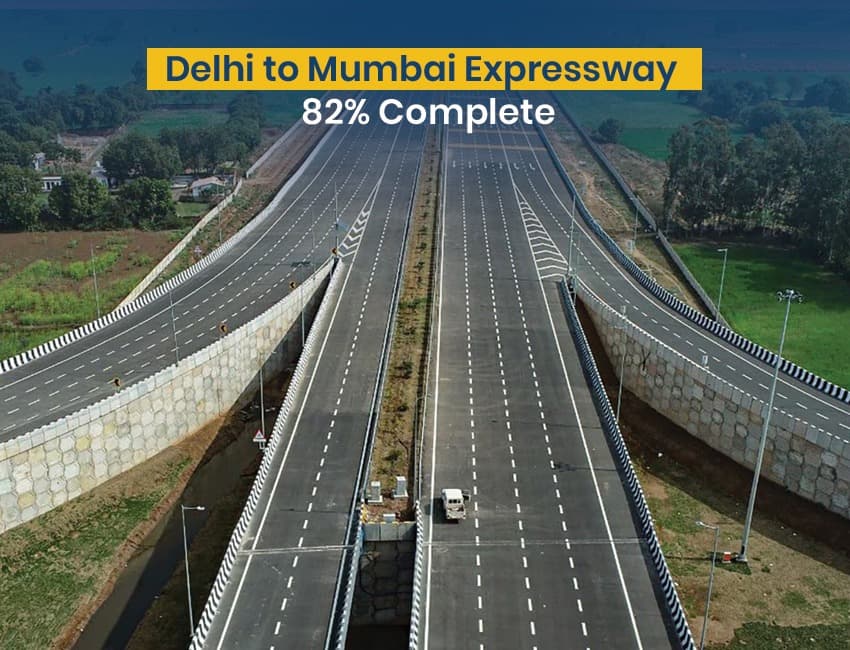
Experts are in consensus and confident that “this shift” is attributed to the expectation and the expansion of their “backbone” infrastructure. With the construction of new mega facilities, the Noida International Airport, the Delhi-Mumbai expressway, RRTS, the Delhi metro, and the new regional expressways are going to elevate the NCR infrastructure.
The RRTS corridor will connect Meerut, Ghaziabad, Gurugram, and Alwar with Delhi in record time. This is game-changing for both daily commuters and investors,” said Rohit Sharma, Partner at Property Square Consultants. “It’s not just about faster travel, but also about how these projects redefine liveability by bringing job hubs and housing clusters closer.”
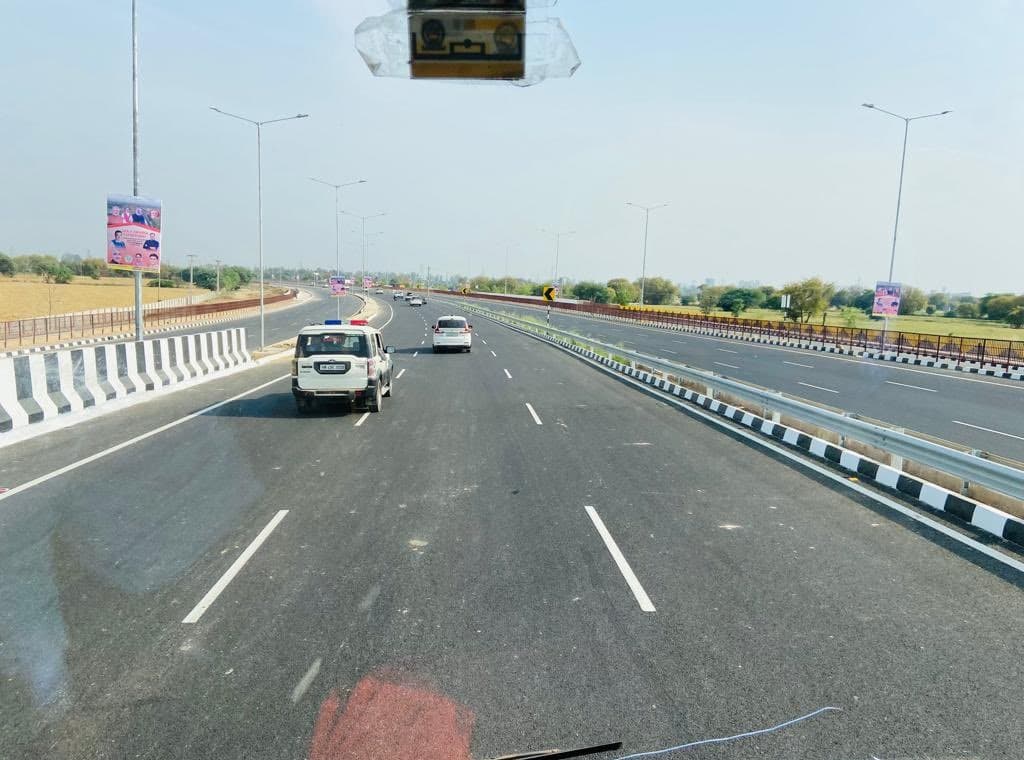
The Dwarka Expressway, nearing completion, has particularly transformed New Gurugram and the adjoining sectors along the SPR. Developers are positioning projects with smart layouts, integrated townships, and premium amenities—features that are difficult to incorporate within congested city limits.
Read More: Budget 2025: New opportunities and policy reforms for the real estate sector
Evolving buyer sentiment
Homebuyer preferences are also evolving rapidly. The modern buyer prioritises space, greenery, security, and seamless mobility over proximity to central business districts. The hybrid work culture has reinforced this mindset, leading many to choose homes in peripheral zones that offer larger spaces at competitive prices.
Nikita Mehra, Head of Sales at Bhumika Realty, expressed that today's purchasers are demanding more than just a home. They are searching for a larger community, expansive open spaces, and contemporary facilities, all of which are more possible in the outer regions of the NCR.
Such shifts in expectations from the buyers are changing the developer landscape. Integrated townships, mixed-use construction, and low-density residential enclaves are becoming common. Improved transport infrastructure, including the recently built Delhi-Mumbai Expressway and the new metro extensions, is turning Faridabad, which used to be primarily an industrial town, into a residential city in the region.
Driven by Data
Cushman & Wakefield reports that the SPR-New Gurugram belt region has appreciated in value by 130% in the last 5 years. Since 2022, more than ₹55,000 crore in new construction, primarily focused on the upper-middle and luxury segments of the residential market, has been introduced in the region.
The Yamuna Expressway corridor has recently become a more sought-after region for investment, especially since the construction of the Jewar Airport and the new Film City project. Residential absorption rates are up almost 35% from the previous year, demonstrating that confidence among end-use buyers and investors has increased.
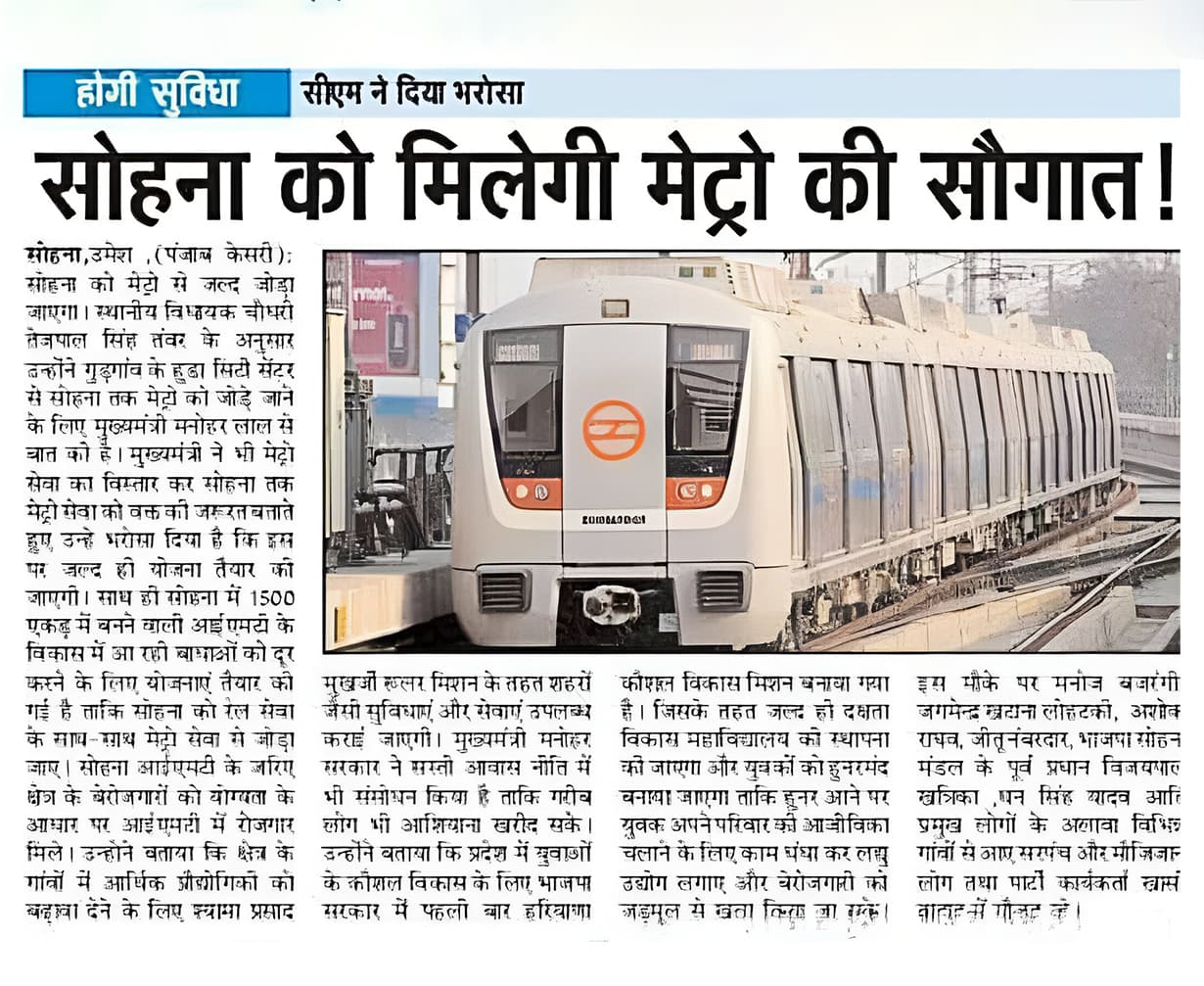
Developers are beginning to consider Sohna as the next high-end residential center. Thanks to the Delhi-Mumbai Expressway as well as the Central Peripheral Road (CPR), improving transport links, Sohna is beginning to transition its real estate market from a secondary to a primary investment corridor.
Developers Shift Focus Outwards
There has been a notable shift in the strategic focus of the leading real estate developers towards the aforementioned growth corridors. Over the last two years, there has been a considerable increase in the acquisition of land along the Dwarka Expressway, Sohna, and the Yamuna Expressway. Developers seem increasingly interested in larger land parcels for building self-sustaining residential townships. “There is an evident shift in the attractiveness of these suburban residential cells,” says Vikram Bhardwaj, MD of Landmark Developers. “Projects started within these peripheries are providing greater profit opportunities, along with more rapid project green lighting and greater interest from consumers. The next decade of real estate expansion in the NCR will operate out of these newly available corridors.”
Improvements in Lifestyle and Liveability
The cheaper land on the periphery of the metro zone is no longer the only appeal. The new estates are being planned as lifestyle and residential enclaves. There are international standard educational institutions, healthcare, shopping, and recreational amenities being planned to provide an integrated social infrastructure. This high-end social infrastructure adds to the appeal of these estates to end-users as they acquire the additional amenities of luxury and ease.
To appeal to contemporary consumers, builders are implementing green construction methods and energy-saving blueprints alongside automated digital home features. Consequently, the liveability score of urban regions is improving, with New Gurugram, Sohna, and Greater Noida West developing into urban sustainable clusters.
Analysis of the Investment Potential
NCR’s peripheral markets are expected to continue dominating the central regions in appreciation and absorption. Since prime Delhi and Gurugram land is almost entirely developed and has reached unprecedented prices, investors are focusing on outer belt areas for increased capital appreciation.
“Properties on the Dwarka Expressway, Sohna, and Yamuna Expressway are projected to yield 12–15 percent annual appreciation over the next 5 years,” stated Arun Khanna, Head of Research at PropInsight Analytics. “These areas are no longer fringe—they are the new frontiers of real estate growth in NCR.” The Expected Future
NCR’s development continues to evolve. Its future continues to be based on infrastructure growth, where the completion of mega projects such as the Noida International Airport and Dwarka Expressway is expected to continue expanding developmental limits. The outer areas of NCR are becoming prime territories for aspirational homebuyers and investors. The periphery of the city has transformed into the center of expansion. In the National Capital Region's real estate market, the focus has shifted from the city centers to the dynamic corridors that envelop them, where the skyline of the future is already evolving.
Source: Moneycontrol
.jpeg&w=3840&q=75)