In a major decision that aims to transform Mumbai's urban environment and transform the city's urban landscape, the Maharashtra Cabinet has approved a complete Slum Cluster Redevelopment Plan to be carried out under the Slum Rehabilitation Authority (SRA). The plan aims to transform the sprawling slum clusters of Mumbai into integrated housing units, which is a major move towards improving the lives of the city's residents, as well as accelerating infrastructure and economic development.
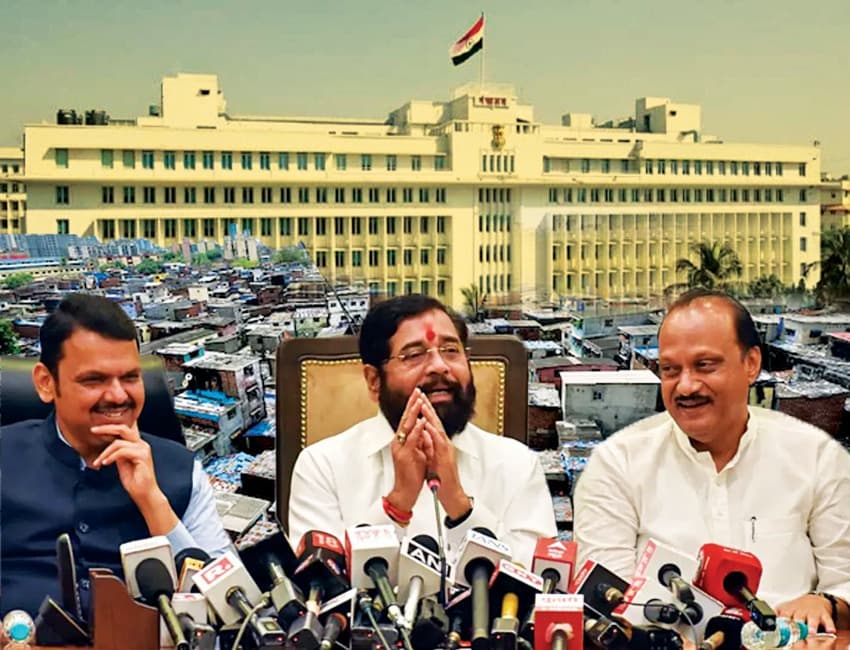
The announcement was made by the Chief Minister's office, Devendra Fadnavis following a Cabinet session, anticipated to kick off the next phase of urban development in the capital city of India's financial sector, where over 40% of the population is within informal communities. The program promises modern living spaces, improved amenities, as well as an infrastructure that is sustainable by leveraging private investments and participation from the construction industry to boost the process of redevelopment.
Transforming Mumbai's Slum Landscape
The recently adopted Slum Plan for Cluster Redevelopment is designed to unite projects for the rehabilitation of slums into larger planned clusters. The plan calls for the existing shanties will be replaced by multi-story housing developments that will provide improved sanitation, power, and water supplies, as well as public amenities like park facilities and community centers.
According to the statement of the government that the redevelopment plan will be based on the "integrated housing project model," which means that private developers, working with the SRA, to build no-cost housing units for people living in slums and use some of the newly developed area for premium and commercial residential projects in order to pay for the cost.
"The scheme will ensure that families living in shanties get access to safe, modern, and dignified housing while unlocking valuable land parcels for planned development," the Chief Minister's Office stated. "It will create a win-win framework for citizens, developers, and the city's overall growth."
The plan is designed to speed up the pace of rehabilitation in slums, which is often hindered by delays in procedures in the past, inconsistent policies, and financial restrictions. By aggregating redevelopment projects and encouraging private participation in the process, the government hopes to accelerate the time to completion and better coordination between stakeholders.
Economic and Social Impact
The Cabinet's declaration stated that the project is likely to generate significant job opportunities for construction workers and related sectors. The massive redevelopment of Mumbai's slums won't only improve the city's skyline, but will also give a substantial boost to Mumbai's economy.
Urban experts have praised the move as a significant step in the direction of addressing the city's most enduring issues. "This policy could be a game-changer if implemented effectively," said a policy researcher at the Tata Institute of Social Sciences. "By focusing on cluster redevelopment, the government can achieve economies of scale, ensure uniform infrastructure standards, and improve the quality of life for millions."
However, experts cautioned that a transparent implementation and involvement of the community is essential. "The effectiveness of the plan depends on how effectively the voices of residents living in slums are incorporated into the process of planning. Redevelopment should not result in the displacement of residents or the loss of livelihoods," the researcher added.
Statewide Sewage Treatment and Reuse Policy Approved
In a different major decision in a major decision, it was announced that the Maharashtra Cabinet approved a Statewide Sewage Treatment and Reuse Policy covering 424 localities in urban areas. This policy is intended to encourage circular economy concepts by treating wastewater to reuse it for non-potable uses like landscaping, industrial processes, and agriculture.
"The state aims to transition toward a resource-efficient, environmentally sustainable urban future," the Cabinet statement stated. "Wastewater treatment and reuse will reduce pollution, conserve freshwater, and help cities manage growing urbanization pressures."
As per the plan, urban local authorities will be required to put modern wastewater treatment facilities (STPs) and set up methods for monitoring the quality of water and efficiency in reuse. State government officials will offer financial and technical assistance to municipalities with smaller populations to assist them in implementing the plan.
The circular economy, as the government said, is an economic system that eliminates pollution and waste by ensuring that materials, energy, and other resources in used for the longest time possible. "Through this policy, Maharashtra aims to set an example for sustainable water management across India," the statement continued.
Environmental experts have praised the plan, noting its ability to drastically decrease the environmental impact of urban zones. "Wastewater reuse can play a pivotal role in achieving water security for Maharashtra's cities, especially amid growing climate-related challenges," said an engineer in the field of environmental engineering of the Maharashtra Pollution Control Board (MPCB).
Towards Sustainable Urban Growth
The Cabinet's two decisions on the redevelopment of slum clusters and the reuse of wastewater reflect the government's plan of sustainable and integrated urban development. Together, they're expected to tackle two of the biggest problems facing Maharashtra's cities: housing for the urban poor and the management of the limited natural resources.
Chief Minister Fadnavis stressed that both of the initiatives are aligned with the overall objectives in the Maharashtra Vision 2030 plan, which aims for cities to become more liveable and resilient as well as economically vibrant. "These decisions mark a decisive step toward transforming Mumbai and other cities into models of inclusive and sustainable urbanization," the chief minister declared.
State government officials are required to create a monitoring committee that will oversee the execution of both plans to ensure accountability, transparency, and prompt execution.
While Mumbai continues to grow as a financial hub in the world, the achievements of the slum-cluster rehabilitation program as well as the sewage treatment plan can serve as models to other Indian cities that are facing similar urban issues. If implemented effectively, these initiatives could redefine the future of Maharashtra's urban development--balancing growth, equity, and sustainability.
Source: Economic Times
.jpeg&w=3840&q=75)